


Guide / Sustainability & rules / Chapter 8.7
Using less packaging without more damage.
Less packaging saves money, storage and postage, but not if products start arriving broken. Here's how to cut packaging in the right places and test the result before you change every order.
The short answer
The best way to use less packaging is to make the box fit the product. A better-fitting box needs less filler, less tape and less board, and often costs less to post. Then remove any layer that isn't doing a job, choose the lightest board that still protects the product, and test every change by sending real orders before rolling it out. A damaged product wastes far more than a little extra packaging.
Where packaging waste comes from
- Boxes that are too big. Empty space has to be filled, and a bigger box uses more board and can cost more to post.
- Extra layers. A product box inside a mailer inside a satchel may have one layer too many.
- Heavier board than needed. Double wall adds weight to every shipment when single wall might do the job.
- Habit. "We've always used bubble wrap" is a common reason for packaging that no longer suits the product.
Five ways to use less
1. Right-size your boxes
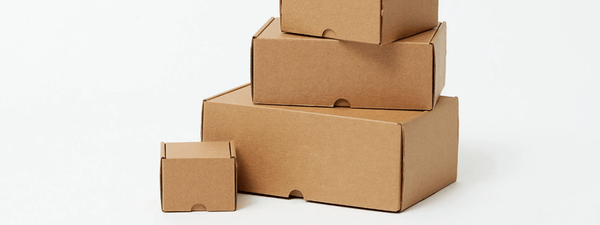
Measure your products and choose boxes that fit them closely, allowing only the clearance the product needs. A range of well-chosen sizes usually beats one large box with lots of filler.
2. Use adjustable boxes
Multi-crease boxes have extra fold lines, so one box can be set to several heights. That means less empty space without stocking a box for every product.
3. Remove layers that don't earn their keep
List every part of a typical order and what job it does. Our chapter on primary, secondary and shipping packaging explains the layers.
4. Choose the right board, not the heaviest
Match the board to the product's weight and how it travels. Our flute chapter explains the options.
5. Use satchels for soft goods
Clothing and other soft, unbreakable products often don't need a box at all. See courier satchels and mailer bags.
Reduce, then test
Every change should be tested before it becomes standard.
| Change | What you save | How to test it |
|---|---|---|
| Smaller or better-fitting box | Board, filler, postage | Pack real orders and send them to different states |
| Fewer layers | Material and packing time | Send test parcels without the removed layer |
| Lighter board | Weight and freight | Send heavier products and check for crushing |
| Less filler | Material and packing time | Shake test for movement, plus test parcels to check cushioning against knocks |
| Satchel instead of a box | Material, storage, postage | Check for damage on soft goods only |
What it means for you
The same question, answered for where your business is today.
Choose your stage at the top of the page to open the advice for you.
Start-up · under 100 units
Start with your most common order. Find the best-fitting box for it, and use paper filling only where there's a gap.
Pack one order, close it and shake it. If anything moves, add filler. A shake test only checks movement, so keep enough cushioning around fragile items and send a test parcel before cutting back.
Growing · 100 to 2,499 units
Review your box sizes and filler use across your range. Reducing the number of sizes you stock, while fitting products better, often saves money and space.
Try this: track damage and returns for a month after any packaging change, so you know it's working.
Enterprise · 2,500 units and more
Make reduction part of your packaging specifications and measure it: board weight per order, filler use, damage rates and freight cost per shipment.
Test changes with real loads and real freight before rolling out across every site.
Common mistakes
- 1Cutting protection instead of waste. Removing the layer that stops damage costs more in replacements than it saves.
- 2Changing everything at once. Change one thing, test it, then move on. Otherwise you won't know what caused a problem.
- 3Not testing. Shake tests and test parcels are cheap. Damaged orders are not.
- 4Forgetting the customer. Less packaging should still look neat and protect the product.
Reducing packaging questions
How can I use less packaging?
Will less packaging cause more damage?
What are multi-crease boxes?
How do I test a packaging change?
Can you help me reduce my packaging?
From our customers
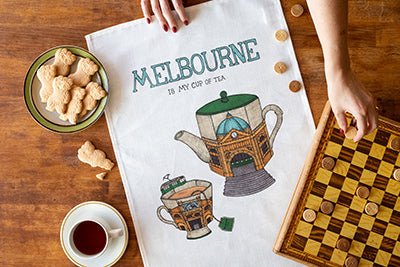
The Nonsense MakerA wide range of box sizes lets them pack orders of all shapes and sizes without wasting materials.
Read their story →Keep reading
Pack with less


Want to cut your packaging?
Send us your most common orders and the packaging you use now. Our Melbourne team will suggest better-fitting options, usually within 1 business day.