


Guide / Shipping & protection / Chapter 7.6
Reducing damage and returns.
Every broken order costs you twice: once for the replacement and again in your customer's trust. Here's how to find where damage happens and fix it with the right packaging, not just more of it.
The short answer
Transit damage usually comes from a handful of common causes: products moving inside the box, boxes too weak for the load, poor sealing, missing cushioning on edges and corners, and items touching each other. Track which products and orders get damaged, fix the cause for each, then test the fix. Often the answer is a better-fitting box or a better way of packing, rather than heavier packaging on everything.
Start by finding the pattern
Before changing any packaging, look at what's actually going wrong. The way damage looks suggests possible causes rather than proving one. Record each damaged or returned order with the product, the box, how it was packed, the carrier and what the damage looked like. Ask customers for a photo of the parcel and the product.
Track damage as a rate, such as damaged orders per 100 shipped for comparable products and routes, not just the number of complaints. After a few weeks, patterns usually appear: one product that breaks more often, one box size that crushes, or one carrier or route with more problems. Fixing those few causes usually solves most of the damage.
Common causes and fixes
| What happens | Possible causes | Fix to try |
|---|---|---|
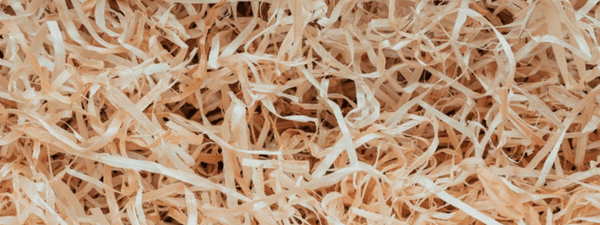
| Product broken, box looks fine | Product moved inside the box, or too little cushioning to absorb knocks | Better-fitting box, more filler including underneath, or more cushioning around the product |
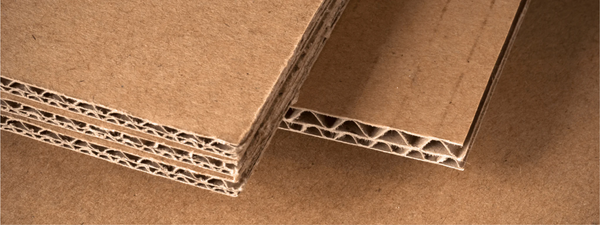
| Box crushed | Board too light, or stacked under heavy parcels | Stronger board or double wall |
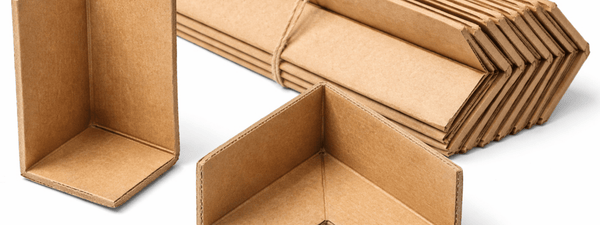
| Corners of products chipped | No cushioning at the edges | Wrap corners, add corner protection |
| Parcel arrived open | Weak or too little tape | Heavier-duty tape across the seam and edges |
| Items scratched or chipped each other | Items touching | Wrap separately, add filler between items |
| Flat items bent | No stiffening | Rigid backing board or a rigid mailer |
Fixes that work
Fit first
A box that fits the product closely stops movement and is harder to crush. Our clearance chapter explains how much space to leave.
Match the board to the load
Heavier products need stronger board. Our flute chapter explains E, B, C and BC flute, and when double wall is worth it.
Protect edges, corners and flat items
Corner protectors protect frames and carton edges, and backing board stops prints, photos and certificates from bending.
Seal properly
Use tape suited to the weight, across the centre seam and the edges. For heavy cartons, gummed paper tape or heavy-duty tape holds better than light tape.
Write it down
Once a packing method works, write it down with photos so every order is packed the same way.
What it means for you
The same question, answered for where your business is today.
Choose your stage at the top of the page to open the advice for you.
Start-up · under 100 units
Keep a simple list of every damaged order. With small numbers, one or two changes usually fix most problems.
Test every new product by sending one to yourself before you sell it.
Growing · 100 to 2,499 units
Look at damage by product, box and carrier. Fix the worst product first, then test before changing anything else.
Try this: compare the cost of replacements and refunds with the cost of better packaging for that product.
Enterprise · 2,500 units and more
Track damage rates in your reporting, by product, site and carrier. Change one thing at a time and measure the result.
Build packing methods and board specifications into your packaging specification so every site does the same thing.
Common mistakes
- 1Adding packaging everywhere. Heavier packaging on every order adds cost and weight. Fix the products and boxes that actually fail.
- 2Not recording damage. Without records, you're guessing. Even a simple list shows patterns.
- 3Blaming the carrier for everything. Carriers handle parcels firmly. Packaging needs to be built for that.
- 4Changing several things at once. You won't know which change worked. Change one thing, test, then decide.
Damage and returns questions
What commonly causes shipping damage?
How do I reduce damage without more packaging?
Should I use double wall boxes for everything?
How do I stop prints and artwork bending?
How do I know if a change worked?

From our customers
Spoor DesignsCardboard inserts and plastic sleeves keep pet portraits flat and secure, so they arrive in perfect condition.
Read their story →Keep reading
Protect every order
Getting too many damaged orders?
Tell us what's breaking and how you pack it. Our Melbourne packaging team will suggest what to change, usually within 1 business day.