Tissue paper is one of the lowest-cost, highest-impact upgrades you can make to your packaging. A single sheet between your product and the box lid changes how an order feels to open — and for ecommerce businesses, that moment is one of the few you control after the customer clicks buy.
But not all tissue paper is the same, and choosing the wrong weight or wrapping method can undermine the effect. This guide explains tissue paper GSM in plain English, walks through the best wrapping methods for different packaging scenarios, and shows how branded tissue paper fits into a complete packaging system.
What tissue paper actually does for your packaging
It's easy to think of tissue paper as decorative — but it does several practical jobs at once:
- Protects surfaces from scratches, scuffs, and rubbing during transit
- Reduces product movement inside the box
- Creates a barrier between products when multiple items are packed together
- Elevates presentation without significantly increasing pack-out time or cost
- Reinforces brand identity — especially when printed with your logo or design
For ecommerce businesses in particular, tissue paper is often the first packaging upgrade that genuinely changes how customers perceive an order. It signals care and attention without requiring a full custom print run.
What is tissue paper GSM?
GSM stands for grams per square metre — it's the standard measure of paper weight and thickness. The higher the GSM, the thicker and more durable the sheet.
For tissue paper, GSM typically ranges from 17gsm at the lightweight end through to 30gsm and above for heavier-duty applications. PackQueen's tissue paper is 17gsm — the industry standard for gift wrapping, clothing, and general ecommerce packaging — sold in bulk packs of 480 sheets at 500 x 750mm.
A higher GSM doesn't automatically mean better. The right choice depends on what you're wrapping:
| GSM range | Typical weight | Best for | Key benefit |
|---|---|---|---|
| 17–20 GSM | Low | Clothing, fashion accessories, jewellery, gift wrapping, decorative presentation | Lightweight, soft, easy to fold, cost-effective |
| 22–28 GSM | Medium | Cosmetics, candles, homewares, boutique retail, general ecommerce | Balance of protection and presentation |
| 30 GSM+ | High | Glassware, ceramics, premium gift boxes, products needing extra surface protection | Less prone to tearing, additional cushioning |
Acid-free vs standard tissue paper
One distinction worth knowing: acid-free tissue paper is pH-neutral, meaning it won't cause discolouration or material breakdown over time. It's the right choice for wrapping delicate items including textiles, leather, jewellery, silver, and artwork intended for storage or long-term gifting. Standard tissue paper is fine for most general ecommerce and retail applications where the product will be used soon after delivery.
PackQueen stocks acid-free tissue paper across a wide colour range — from classic white through to vibrant brights and neutral tones — so you can match your brand palette without compromising on material safety.
How to choose the right tissue paper for your products
Three factors should guide your decision:
Product weight and fragility
Heavier products benefit from thicker tissue that won't tear during wrapping. Lightweight products — clothing, accessories, stationery — work well with 17gsm, which folds cleanly and adds minimal bulk.
Product surface
Delicate finishes — polished metal, painted surfaces, lacquerware — need tissue paper that prevents rubbing during transit. Acid-free is the safest choice for high-value items where surface protection matters.
Packaging purpose
Are you primarily packing for shipping protection, retail presentation, gift wrapping, or a premium unboxing experience? Each scenario may call for a different GSM, colour, and wrapping method.
How to package with tissue paper
The wrapping method matters as much as the tissue itself. For a full visual walkthrough of folding and wrapping techniques, see our guide on how to wrap with tissue paper. Here are the two core methods:
| Fast pack-out method | Premium unboxing method |
|---|---|
| Best for high-volume ecommerce, daily fulfilment, efficient packing workflows | Best for gift boxes, boutique retailers, premium ecommerce brands |
|
|
Why branded tissue paper makes a difference
Plain tissue paper protects your product. Custom tissue paper protects your product while reinforcing your brand at the moment the customer opens the box — which is also the moment they're most likely to share on social media.
For many businesses, branded tissue paper is the first custom print investment they make — before committing to fully custom printed boxes — because the impact is immediate and the barrier to entry is low. PackQueen prints custom tissue paper in 1 or 2 colours on both white and coloured tissue, with your logo, pattern, or brand design.
Build a complete tissue paper packaging kit
Tissue paper works best as part of a coordinated packaging system. The most effective pack-outs combine:
- Tissue paper — plain or custom printed, matched to your brand colour palette
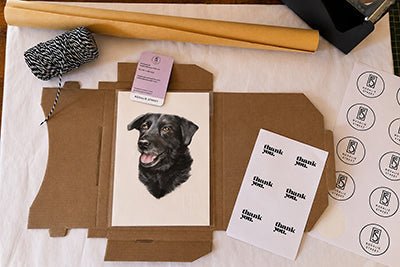
- Branded stickers or seals — to secure the tissue wrap and reinforce the brand
- Ribbon or twine — for gift-focused or premium retail products
- Thank-you cards or inserts — to continue the customer relationship after delivery
- Gift boxes or shipping boxes — right-sized for your products
- Paper void fill — for fragile items that need cushioning beyond what tissue provides
PackQueen stocks tissue paper alongside matching packaging accessories — stickers, ribbon, gift boxes, and void fill — so you can build a cohesive packaging system from a single supplier.
Common mistakes to avoid
Using tissue paper that's too thin for the product
Very light tissue can tear when wrapping heavier or sharper-edged products. Match the GSM to the product weight — don't assume 17gsm works for everything.
Over-wrapping
Multiple unnecessary layers add pack-out time and material cost without improving protection. One well-folded sheet is almost always enough for presentation purposes.
Inconsistent colours across orders
Mixing tissue colours or switching between plain and branded tissue creates an inconsistent customer experience. Choose a colour or finish and stick with it across your pack-out.
Relying on tissue paper as the only protection for fragile items
Tissue paper protects surfaces — it doesn't replace cushioning. For glassware, ceramics, or anything fragile, combine tissue wrapping with paper void fill or corrugated inserts.
| Shop tissue paper | Shop custom tissue paper | Get a quote → |
FAQs
What does tissue paper GSM mean?
GSM stands for grams per square metre — it measures the weight and thickness of the paper. Lower GSM papers (17–20gsm) are lighter and softer; higher GSM papers (30gsm+) are thicker and more durable. PackQueen's standard tissue paper is 17gsm, the most commonly used weight for gift wrapping, clothing, and ecommerce packaging.
What GSM tissue paper is best for ecommerce packaging?
Most ecommerce businesses use tissue paper between 17 and 28 GSM. For clothing, accessories, and general presentation, 17gsm works well. For heavier or more delicate products, 22–28gsm provides a better balance of protection and durability.
How do you wrap products with tissue paper?
For high-volume pack-outs, lay a sheet flat, centre the product, fold neatly, and secure with a sticker. For premium unboxing, line the box first, wrap the product separately, and finish with inserts, seals, and ribbon. See our full guide on how to wrap with tissue paper for step-by-step technique.
Is branded tissue paper worth the investment?
Yes — and it's usually one of the most cost-effective first steps into custom packaging. Printed tissue paper changes the unboxing experience immediately and costs significantly less per order than custom printed boxes. PackQueen prints custom tissue paper in 1 or 2 colours on white or coloured tissue.
Can tissue paper replace protective packaging?
No. Tissue paper protects surfaces and improves presentation, but it doesn't replace cushioning for fragile products. For glassware, ceramics, or anything that can break in transit, combine tissue wrapping with paper void fill or corrugated inserts.
What is acid-free tissue paper?
Acid-free tissue paper is pH-neutral, meaning it won't cause discolouration or material damage over time. It's recommended for wrapping delicate items including textiles, leather, jewellery, silver, and artwork — particularly for storage or long-term gifting applications.