By Monique, Founder of PackQueen · Food Packaging · 8 min read
3 Things You'll Take Away From This Article
➡ Dessert packaging is the most photographed food packaging in Australia. Desserts are social media gold — and the right packaging transforms a delicious product into a shareable moment that markets your business for free.
➡ The dessert category is broad, and different products need very different packaging solutions. A delicate panna cotta and a robust brownie have almost nothing in common from a packaging perspective.
➡ Dessert packaging is one of the highest-return brand investments available to food businesses. At the price points desserts command, the per-unit cost of great packaging is small relative to the commercial return it drives.
Hi, I'm Monique — Desserts Are Winning the Internet, and Your Packaging Should Help
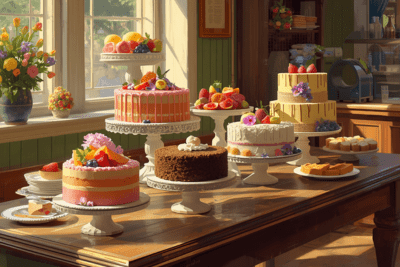
I'm the founder of PackQueen. If you spend any time on Instagram or TikTok, you've noticed it: desserts are dominating food content. The individual tart with a perfect fruit glaze. The layered mousse cup with a brandied cherry on top. The elegant cheese board with honey and wafers arranged with clear care.
The pattern I see most consistently: businesses spend enormous care on the dessert itself and almost no thought on how it's packaged. And then they wonder why their social media isn't performing. This article is about changing that.
📸 The best dessert packaging doesn't just protect the product — it creates the moment customers want to photograph and share. That organic content is worth more than most marketing budgets.
The Dessert Category: Why One Box Doesn't Fit All
| Dessert Type | Fragility | Height Challenge | Moisture Risk | Ideal Packaging Direction |
|---|---|---|---|---|
| Individual tart / flan | High | Medium | Medium | Individual acetate or window box with insert |
| Panna cotta / mousse cup | Very high | Low–Medium | High | Individual cup with secure lid; place in carrier box |
| Brownie / slice | Low–Medium | Low | Low–Medium | Window box or kraft box; stacks well |
| Layered dessert cup | High | Medium–High | Medium | Individual cup or tall acetate box |
| Cheesecake slice | Medium | Medium | High | Individual slice box with flat base |
| Profiteroles / choux | High | Medium | High | Low-profile box with insert spacing |
| Cheese and dessert board | Low–Medium | Low | Low | Flat food tray with lid; window option ideal |
Individual Dessert Packaging: The Premium Single Serve
The Case for Individual Boxes
- Gift signal: a dessert in its own box feels like a gift, not a purchase. This changes the emotional experience and increases perceived value.
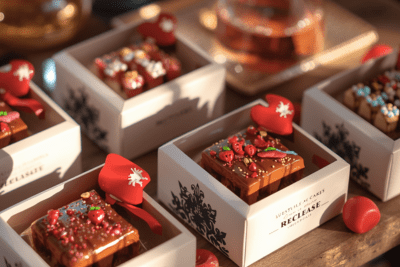
- Social media moment: a single beautiful dessert in a window box creates immediate 'look at what I'm about to eat' content.
- Protection: an individual box keeps the dessert safe from other items in a bag and maintains the visual integrity through to consumption.
- Upsell potential: 'Would you like a box for that?' is an easy upsell that adds genuine value for the customer.
Window vs Closed: The Display Decision
- Window box: best for tarts, slices, brownies, cheese boards — products with stable surfaces that look great through a clear panel
- Closed gift box: best for cream-filled or moisture-sensitive desserts where the reveal upon opening is the moment
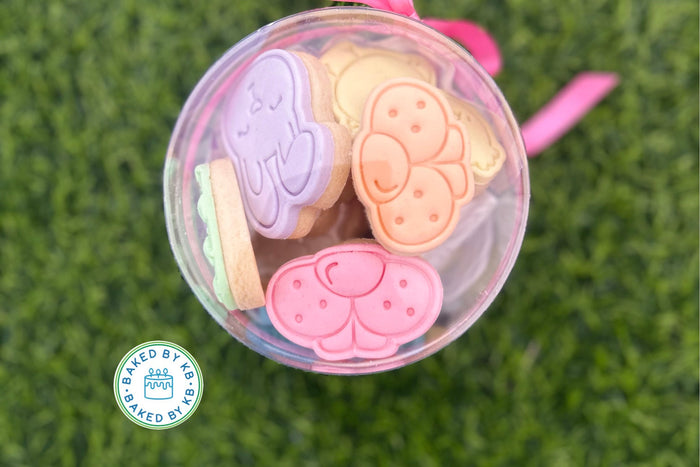
- Individual acetate dome: best for display on a counter — maximum visibility, elegant presentation
Dessert Boxes for Gifting and Events
What Dessert Gift Packaging Needs to Do
- Look like a gift before it's opened: a ribbon, a wax seal, a branded band — something that signals 'this was prepared for you'
- Tell the story inside: a card with flavour descriptions, ingredient highlights or care instructions adds perceived value and communicates expertise
- Create the reveal: the moment the lid is lifted should be designed — tissue paper, colour-matched base, products arranged intentionally
- Protect through gifting logistics: a dessert gift may be transported in a bag, kept at room temperature for hours before being opened
Seasonal Dessert Gift Packaging
- Valentine's Day: individual tarts or mousse cups in a pink or red window box — a premium alternative to flowers or chocolates
- Easter: mixed dessert boxes in pastels — a high-margin gifting product for patisseries
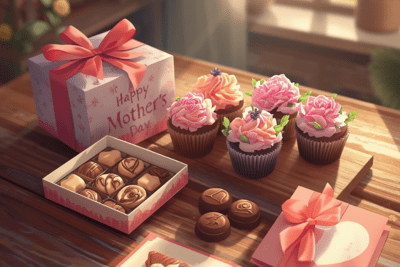
- Mother's Day: a curated dessert selection in a premium gift box — among the highest-value gifting opportunities of the year
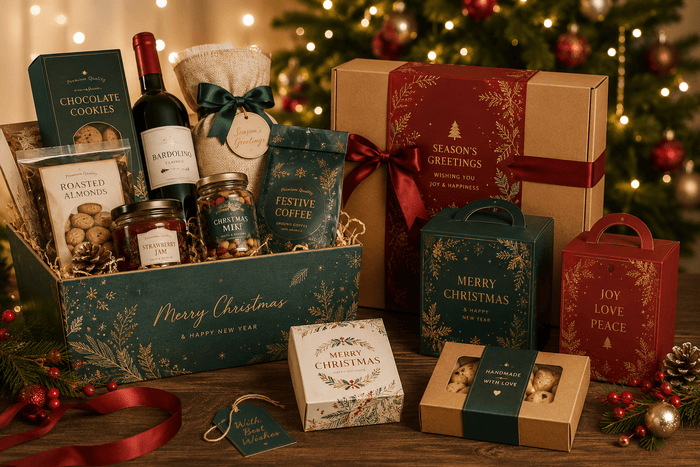
- Christmas: dessert platters and mixed boxes for entertaining — a large and growing market
🎁 Dessert gift packaging at key occasions can command 40–60% above your standard per-unit price. The packaging investment is the mechanism that makes that premium justified.
The Moisture and Freshness Challenge
- Moisture-sensitive packaging: cardboard softens with prolonged moisture contact. For wet or high-moisture desserts, a food-grade liner or wax-coated interior surface is important for structural integrity.
- Condensation from refrigeration: cold desserts removed from the fridge and placed in a closed box can create significant condensation. Where possible, allow products to equilibrate slightly before boxing.
- Shelf life labelling: for any dessert being sold packaged, include 'best consumed within X hours' on your packaging or insert card as both a food safety and customer experience requirement.

Frequently Asked Questions
1. What's the best packaging for selling individual desserts at a café counter?
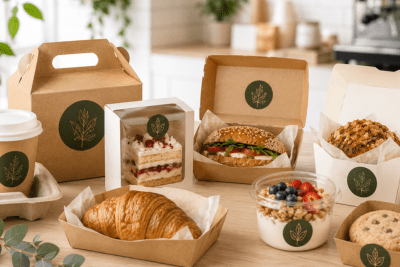
For café counter display, the most effective individual dessert packaging combines maximum visibility with easy assembly and clean presentation. A window box — kraft or white base with a clear PET top — works well for most solid desserts like tarts, slices and brownies. For custard-based or cream-topped desserts, an individual cup with a snap-fit clear lid provides both protection and excellent visibility. The key principle: the dessert should be visible before purchase — packaging that hides the product removes your strongest selling tool.
2. How do I package desserts for delivery without them arriving damaged?
For delivery desserts, the packaging system has two layers: the presentation packaging around the dessert, and a secondary carrier that holds everything stable during transit:
- Ensure the dessert is secure within its primary packaging — no movement, no contact between product and lid
- Place primary packaged desserts in a rigid carrier box with adequate spacing between units
- For cream-filled or mousse desserts, ensure the product is well chilled and the carrier is insulated for journeys over 30 minutes
- Include consumption instructions — 'best consumed within X hours of delivery, keep refrigerated'
3. Is branded dessert packaging worth the investment for a small café?
Yes — and the maths are more favourable than most café owners expect. If branded packaging allows you to increase your dessert price by $2 on a product you sell 50 of per day, that's $100 additional revenue daily — $36,500 per year — from a packaging investment that might cost $0.80–$1.50 per unit. Beyond the direct price premium, branded dessert packaging generates social media content from customers, builds brand recognition in the local area, and communicates the quality of your product before it's tasted. Start with a branded label and a quality window box — you don't need full custom printing to make an immediate impact.
Ready to upgrade your packaging? Browse our range of dessert boxes or get in touch with the PackQueen team — we're here to help you find the perfect solution for your business.
Monique | Founder, PackQueen
packqueen.com.au · Food Packaging for Australian Cafés, Patisseries and Dessert Businesses