Key Highlights
- Learn five practical tissue wrapping techniques that balance speed, protection, and presentation
- Discover which wrapping methods suit different product types and packing workflows
- See how consistent presentation and branded materials can elevate customer experience and brand perception
In retail and eCommerce, presentation is no longer optional—it’s part of the product experience. Tissue paper remains one of the simplest and most cost-effective ways to create a polished, professional look across a wide range of industries.
Whether you’re packing orders at scale or preparing in-store purchases, understanding how to wrap with tissue paper efficiently can save time while maintaining a consistent brand standard.
This guide breaks down five proven techniques, along with practical tips to help your team improve speed, consistency, and overall presentation.

Why Tissue Paper Still Matters in Modern Packaging
Tissue paper is lightweight, flexible, and visually versatile. It works across fashion, cosmetics, gifts, and subscription boxes, making it a staple in business packaging.
Done well, tissue paper wrapping can:
- Protect products from scratches and dust
- Enhance the unboxing experience
- Reinforce brand identity through colour and print
- Improve perceived value without significant cost
For businesses looking to scale, it also offers a fast and adaptable solution compared to more complex packaging formats.
Method 1: The Basic Wrap (Best for Speed and Simplicity)
The basic wrap is the go-to method for high-volume environments.
How it works:
- Lay tissue paper flat
- Place the product in the centre
- Fold one side over, then the other
- Tuck in the ends neatly
Best for:
- Apparel
- Flat products
- High-speed packing environments
Why it works:
It’s quick, easy to train staff on, and creates a clean, uniform look.
When learning how to wrap with tissue paper, this method is often the starting point because of its efficiency and scalability.
Method 2: The Pouch Wrap (Best for Delicate Items)
The pouch wrap creates a soft, protective enclosure.
How it works:
- Place the item slightly off-centre
- Gather the tissue paper around the product
- Twist or fold the top gently
Best for:
- Fragile items
- Small accessories
- Boutique retail packaging
Why it works:
This method adds cushioning while maintaining a premium feel.
It’s a popular approach in retail environments where presentation matters just as much as protection.
Method 3: The Burrito Wrap (Best for Secure Shipping)
The burrito wrap is ideal for eCommerce businesses needing secure packaging.
How it works:
- Place the product near one edge of the tissue
- Roll it tightly
- Fold in the sides as you roll
Best for:
- Shipping orders
- Cylindrical or compact items
- Products needing extra stability
Why it works:
This method minimises movement during transit, reducing damage risk.
For businesses focused on efficient wrapping with tissue paper, this technique balances protection and speed.
Method 4: The Layered Wrap (Best for Premium Presentation)
The layered wrap adds visual depth and a high-end feel.
How it works:
- Use multiple sheets of tissue paper
- Offset each layer slightly
- Wrap the product as usual
Best for:
- Gift packaging
- Luxury products
- In-store presentation
Why it works:
Layering creates texture and colour contrast, elevating the unboxing experience.
This is where tissue paper wrapping becomes a branding tool rather than just a protective layer.
Method 5: The Box Lining Technique (Best for Structured Packaging)
Box lining is widely used in retail gift and eCommerce packaging.
How it works:
- Line the box with tissue paper, leaving excess on all sides
- Place the product inside
- Fold the tissue over the product neatly
Best for:
- Subscription boxes
- Gift sets
- Premium retail packaging
Why it works:
It creates a clean, organised presentation while protecting the product.
Choosing the Right Method for Your Business
Not every method suits every workflow. Here’s a quick comparison:
| Method | Speed | Protection | Presentation Level | Best Use Case |
|---|---|---|---|---|
| Basic Wrap | Very Fast | Low-Medium | Clean | High-volume retail |
| Pouch Wrap | Medium | Medium-High | Soft, boutique | Fragile items |
| Burrito Wrap | Fast | High | Practical | eCommerce shipping |
| Layered Wrap | Slower | Medium | Premium | Gifts and luxury products |
| Box Lining | Medium | High | Structured | Subscription boxes |
Selecting the right approach depends on your product type, packing speed, and brand positioning.
Tips for Crisp Folds and Consistent Results
Consistency is key in professional packaging. Even simple wrapping can look premium when done well.
Practical tips:
- Use pre-cut tissue sheets for uniformity
- Train staff on one standard method per product type
- Keep folding surfaces clean and flat
- Avoid overhandling to reduce wrinkles
For businesses managing high volumes, batching similar products together can significantly improve efficiency.
How to Speed Up Packing Without Losing Quality
Efficiency doesn’t have to come at the expense of presentation.
Try this:
- Pre-fold tissue paper in advance
- Set up packing stations with all materials within reach
- Use visual guides or templates for staff
- Standardise wrapping methods across teams
These small operational improvements can make a big difference in both speed and consistency.
Case Study:
A growing retail business approached PackQueen looking to improve their packaging presentation without increasing complexity.
The Challenge
They wanted to:
- Strengthen brand recognition
- Create a more memorable unboxing experience
- Maintain efficiency in their packing process
The Solution
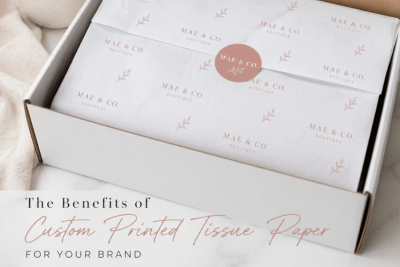
PackQueen introduced custom printed tissue paper tailored to their brand identity.
This included:
- Branded patterns aligned with their visual identity
- Consistent colour schemes across packaging
- High-quality tissue that maintained structure during wrapping
The Result
- Increased brand visibility with every order
- More cohesive and professional presentation
- Improved customer perception and engagement
This example highlights how even simple upgrades—like branded tissue—can transform packaging into a powerful branding tool.
Completing the Look with Complementary Packaging
Tissue paper works best as part of a complete packaging system.
Businesses can enhance their presentation with:
- Custom stickers for sealing
- Ribbons for added detail
- Branded gift boxes for structure
- Mailer bags for shipping
PackQueen supports businesses by providing not just tissue paper, but a full range of packaging solutions that work together seamlessly.
Bringing It All Together
Mastering how to wrap with tissue paper is a practical skill that delivers real business value. From improving packing efficiency to enhancing brand perception, the right techniques can make a noticeable difference.
By choosing the right method for your products and standardising your approach, you can create a packaging process that is both efficient and visually consistent.
As shown in the case study, combining technique with branded materials takes your packaging from functional to memorable—without adding unnecessary complexity.
Frequently Asked Questions
1. What is the best tissue wrapping method for eCommerce?
The burrito wrap and box lining methods are ideal for eCommerce as they provide better protection during shipping.
2. How can I make tissue wrapping look more professional?
Focus on clean folds, consistent techniques, and high-quality materials. Using branded tissue also enhances the overall look.
3. Is tissue paper suitable for fragile items?
Yes, especially when combined with methods like the pouch wrap or layered wrap for added cushioning.
4. How do I improve packing speed with tissue paper?
Pre-cut sheets, batching orders, and standardising wrapping methods can significantly increase efficiency.
5. Can tissue paper be used for branding?
Absolutely. Custom printed tissue paper is an effective way to reinforce brand identity and improve the unboxing experience.