


Guide / Shipping & protection / Chapter 7.3
Satchel or box?
It's one of the first packaging decisions every online business makes. Here's a simple way to decide, product by product, so you protect what you sell without paying for packaging you don't need.
The short answer
Use a satchel for soft, flexible, unbreakable products like clothing and textiles. It's lighter, smaller and quicker to pack. Use a box for anything that can break, bend, dent or crush, for gifts and premium products where the unboxing matters, and for orders with several items. If you're unsure, send one of each to yourself and see which arrives in better shape.
Ask four questions
1. Can it break, bend or crush?
If yes, use a box. Satchels protect against scuffs and rain, not pressure. Glass, ceramics, cosmetics in jars and candles belong in a box with cushioning. Books and prints depend on their value: a paperback often travels well in a padded mailer, while hardcovers, premium books and prints that need rigid backing are safer in a flat mailer box.
2. Does the unboxing matter?
For gifts, premium products and subscriptions, the moment of opening is part of what the customer pays for. A mailer box with tissue makes that moment. For everyday soft goods, a neat branded satchel is often enough.
3. How many items are in the order?
One folded garment suits a satchel. Several items, especially of different shapes, usually travel better in a box where they can't shift and crush each other.
4. What will it cost to send?
Satchels are lighter and take up less space, which helps with postage on light items. Check the cubic weight of your box option, as a snug box can sometimes cost about the same to send.
Quick guide by product
These are general guides. Your product, your carrier and how far it travels all play a part.
| Product | Usually best in | Why |
|---|---|---|
| Clothing, scarves, textiles | Satchel or paper mailer bag | Soft, light and won't break |
| Small accessories and jewellery | Bubble mailer or small box | Needs light cushioning, or a box for presentation |
| Paperbacks | Padded mailer | Light and flexible, low risk |
| Hardcovers, premium books and prints | Flat mailer box, with backing board for prints | Corners and edges need protecting |
| Cosmetics, candles, glass | Box with cushioning | Can break or leak |
| Gifts and premium products | Mailer box | The unboxing is part of the product |
| Multi-item orders | Box | Items can't move or crush each other |
What it means for you
The same question, answered for where your business is today.
Choose your stage at the top of the page to open the advice for you.
Start-up · under 100 units
Decide once for each product and write it down, so every order is packed the same way. Keep one or two satchel sizes and one or two box sizes.
Test both: send one order in a satchel and one in a box to a friend in another state.
Growing · 100 to 2,499 units
Look at returns and damage by product. If satchel orders are arriving damaged, the cost of replacements can outweigh the postage saved.
Try this: a box sized to fit inside an Australia Post prepaid satchel can give you a box's protection at the satchel's price, within that satchel's size and weight conditions.
Enterprise · 2,500 units and more
Set packaging rules by product type and order size in your packing specification. At volume, the satchel versus box choice affects freight, damage and storage costs.
Review the rules whenever you add products or change carriers.
Common mistakes
- 1Sending fragile items in satchels. It saves a little on postage and often costs much more in breakages and refunds.
- 2Using a box for everything. For soft goods, a box adds cost, weight and space without adding protection.
- 3Forcing several items into a satchel. Items rub, shift and crush each other. Use a box once an order has several items.
- 4Ignoring the customer. Your packaging is the first thing customers see. Make sure the choice fits your brand.
Satchel or box questions
Is it cheaper to send a satchel or a box?
Can I send fragile items in a satchel?
What's best for clothing?
Can I put a box inside a satchel?
What's best for books and prints?
From our customers
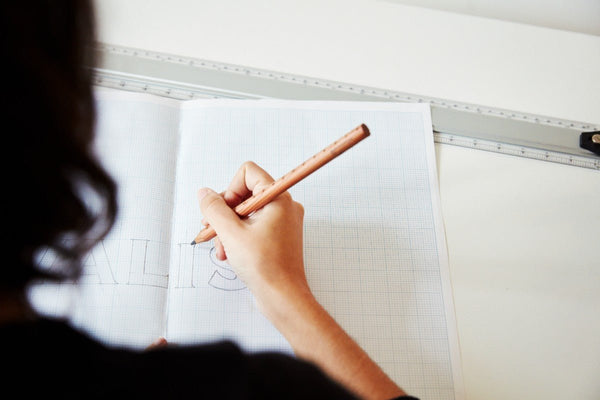
PaperlustExpress Post satchels for smaller orders and A4 multi-crease boxes for larger ones, with kraft wrapping paper as extra protection.
Read their story →Keep reading
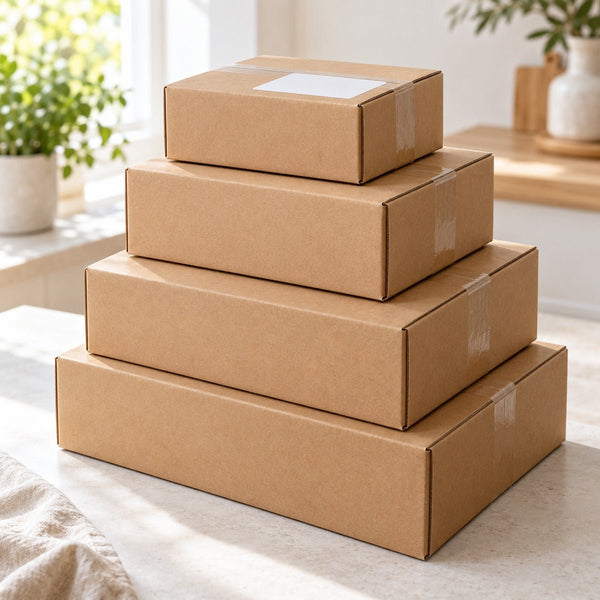
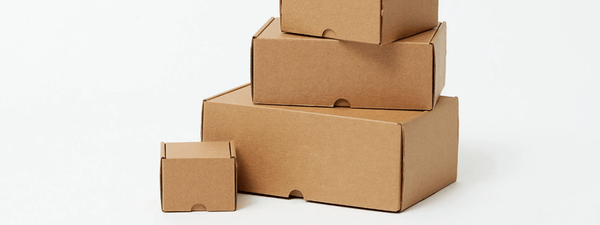
Satchels and boxes

Still deciding?
Tell us what you sell. Our Melbourne packaging team will recommend a satchel, a box or both, usually within 1 business day.