By Monique, Founder of PackQueen · Packaging Strategy · 8 min read
3 Things You'll Take Away From This Article
➡ Sustainable packaging has crossed from nice-to-have to purchase driver. For the majority of Australian consumers, packaging sustainability now actively influences whether they buy — and whether they buy again.
➡ The data tells a clear and commercially significant story. Repeat purchase rates, brand loyalty, social sharing, willingness to pay a premium — all move measurably in favour of brands with genuinely sustainable packaging.
➡ The opportunity is large — and the competitive window is narrowing. Most Australian businesses have not yet made the transition to genuinely sustainable packaging. Brands that do it now, and do it credibly, capture a significant first-mover advantage.
The Number That Changed How I Think About Packaging
Hi, I'm Monique — founder of PackQueen. In 2024, a piece of research crossed my desk that I've shared in almost every packaging conversation since: 68% of Australian consumers now factor packaging sustainability into their purchase decisions.
Not 68% say they care about sustainability in the abstract — which means almost nothing commercially. 68% say packaging sustainability influences whether they buy a specific product from a specific brand. That's the majority of your potential customers making purchasing decisions partly based on your packaging.
📊 68% is not the ceiling. Consumer expectations around packaging sustainability are increasing year-on-year. Brands that address this now are investing in relevance. Brands that ignore it are accumulating a growing competitive disadvantage.
The Full Picture: What Australian Consumers Actually Want From Packaging
| Sustainable Attribute | % Who Say It Influences Purchase | % Who Would Pay Premium | Action Priority |
|---|---|---|---|
| Kerbside recyclable | 74% | 48% | High — most accessible |
| Plastic-free | 71% | 52% | High — clear claim |
| Made from recycled content | 65% | 44% | Medium-High |
| Reduced packaging (less waste) | 63% | 38% | High — no cost |
| Compostable | 58% | 41% | Medium |
| FSC-certified paper | 52% | 39% | Medium |
| Carbon neutral delivery | 49% | 35% | Lower |
The two attributes with the highest influence and greatest willingness to pay a premium are also the most accessible: kerbside recyclable and plastic-free. For most businesses, they're achievable with a simple supplier switch.
What Sustainable Packaging Does to Business Metrics
The Greenwashing Risk: Why Credibility Matters More Than Claims
The positive effects of sustainable cardboard boxes are tied to perceived credibility. Unverifiable claims — 'eco-friendly', 'sustainable', 'green' without certification — don't generate the same consumer response as verified claims. And increasingly, they generate a negative response.
❌ MYTH: 'Eco-friendly packaging' on a label means the brand is sustainable. ✅ TRUTH: Without certification, this claim is unverifiable and increasingly treated with scepticism by informed consumers.
❌ MYTH: 'Biodegradable' packaging is better for the environment. ✅ TRUTH: Most 'biodegradable' packaging requires industrial composting conditions. In landfill, it behaves like conventional plastic.
❌ MYTH: Using any recycled content makes packaging sustainable. ✅ TRUTH: 10% recycled content is not meaningfully sustainable. Consumers and regulators are increasingly sophisticated about this.
⚠️ The ACCC has issued formal greenwashing guidance and is actively pursuing enforcement action. Making unsubstantiated environmental claims about your packaging exposes your business to regulatory risk as well as reputational damage.
A Practical Sustainability Transition for Australian Ecommerce Brands
| Phase | Changes | Consumer Visibility | Cost Impact |
|---|---|---|---|
| Phase 1 (immediate) | Switch to FSC-certified cardboard boxes, eliminate plastic void fill, switch to paper tape | Very High | Neutral to slight increase |
| Phase 2 (1–3 months) | Switch to FSC-certified tissue paper, add verified sustainability language to packaging | High | Slight increase |
| Phase 3 (3–6 months) | Switch to uncoated or recycled insert cards, consider compostable alternatives | Medium | Neutral to slight increase |
| Phase 4 (ongoing) | APCO membership and formal sustainability reporting | Credibility-building | Management time |
The Phase 1 changes are immediately visible to consumers, often cost-neutral, and are the highest-ROI sustainability investments available.

Customer Story: How a Skincare Brand Used Sustainability to Win a Competitive Category
A Melbourne natural skincare brand was competing in one of the most crowded ecommerce categories in Australia. They came to us with a clear brief: "We want our packaging to be as clean as our products. And we want to be able to prove it."
The transition
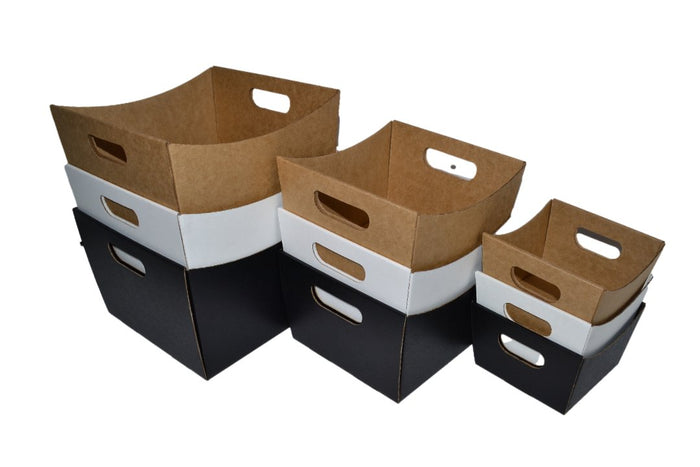
- Switched to recyclable cardboard mailer boxes — kerbside recyclable, certification documented
- Replaced plastic void fill with honeycomb kraft wrap — kerbside recyclable, lower dimensional weight
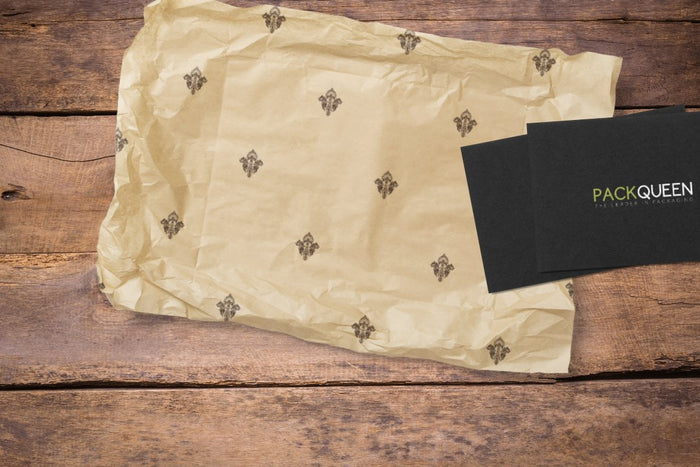
- Switched to tissue paper instead of bubble wrap— printed in soy-based ink
Browse our range of eco friendly cardboard boxes — all FSC-certified and kerbside recyclable.
Frequently Asked Questions
1. How do I verify that 68% statistic — is it Australian-specific?
The 68% figure is drawn from Australian consumer research published in 2024, measuring direct influence of packaging sustainability on purchase decisions among Australian shoppers aged 18–65. Comparable studies in the UK, Canada and New Zealand show similar numbers (60–72%). The consistent message: this is majority consumer behaviour, not a fringe concern.
2. How do I communicate my sustainable packaging credentials without greenwashing?
| Claim | Requirement | Appropriate Phrasing |
|---|---|---|
| Kerbside recyclable | Material accepted in standard kerbside recycling | 'Kerbside recyclable cardboard' |
| FSC-certified | FSC certification from your supplier | 'FSC-certified cardboard' |
| Plastic-free | All packaging elements must be plastic-free | '100% plastic-free packaging' |
| Made from recycled content | Verified recycled content percentage | 'Made from 80% recycled cardboard' |
3. What's the minimum sustainable packaging transition that will meaningfully affect consumer behaviour?
Three changes have the highest consumer visibility and most significant purchase influence:
- Plastic-free packaging — eliminating plastic void fill, plastic tape, and plastic bags from your packaging system
- Kerbside recyclable outer box — switching to FSC-certified cardboard with a recycling statement
- Clear, honest labelling — printing your sustainability credentials on the packaging itself
These three changes are achievable for most businesses in 4–8 weeks and cover the top three sustainability attributes that drive Australian consumer purchase decisions.
4. Will sustainable packaging hurt my margins, or can it be cost-neutral?
For most businesses, a well-planned sustainability transition is cost-neutral to slightly positive on margin:
- Eliminating plastic void fill — typically saves $0.20–$0.60 per order in material cost, plus freight savings from reduced dimensional weight
- Right-sizing boxes — part of the sustainability transition, almost always reduces freight cost
- FSC-certified cardboard — marginal cost premium (often $0.10–$0.30/box), frequently offset by freight savings
- Paper tape — comparable cost to plastic tape at similar volumes
Get in touch with the PackQueen team to discuss how to transition your cardboard boxes to sustainable packaging.
Monique | Founder, PackQueen
packqueen.com.au · Eco Friendly Packaging for Australian Businesses