


Guide / Sustainability & rules / Chapter 8.4
Single-use plastic bans by state.
Each Australian state and territory sets its own rules on single-use plastics, and they keep changing. Here's what packaging businesses should know as at October 2026, with links to each official source.
The short answer
There's no single national ban. Each state and territory has its own list of banned single-use plastics, with different items and start dates. The bans mostly target food service items, plastic bags and expanded polystyrene, but several also cover packaging, such as loose-fill foam "peanuts" and moulded polystyrene packaging. Rules change often, so check the official page for every state you sell into. This chapter is general information as at October 2026, not legal advice.
What the bans commonly cover
Most states and territories have banned some combination of single-use plastic straws, cutlery, stirrers, plates and bowls, and expanded polystyrene (foam) food containers. Many also ban lightweight plastic shopping bags, and some go further with thicker plastic bags, produce bags and plastic-stemmed cotton buds.
For packaging businesses, the items to watch are bags, foam food containers and trays, and foam packaging used to protect goods in transit.
Where to check, state by state
Highlights from official information as at October 2026, not a complete list of banned items or exemptions. Items and dates change, so always confirm on the official page.
| State or territory | Packaging-relevant notes | Official source |
|---|---|---|
| Western Australia | Loose-fill expanded plastic packaging banned from 1 September 2023; moulded or cut expanded plastic packaging from 1 July 2025; plastic produce bags from 1 September 2024 | WA Plan for Plastics |
| South Australia | From 1 September 2024: thicker supermarket and boutique-style plastic bags; non-certified plastic barrier bags for unpackaged fruit, vegetables, nuts and confectionery; and plastic takeaway food containers for same-day ready-to-eat food, with exemptions (for example AS certified compostable containers). Barrier bags for unpackaged meat, poultry, dairy and seafood have until 1 September 2027 | Replace the Waste SA, barrier bags, food containers |
| Queensland | Bans include foam takeaway food containers and cups, and loose foam "peanut" packaging | Queensland Government |
| Australian Capital Territory | Expanded polystyrene loose-fill packaging banned from 1 July 2023; heavyweight and boutique plastic bags over 35 microns from 1 January 2024 | ACT Government |
| New South Wales | Lightweight plastic shopping bags banned from 1 June 2022; EPS food service items from 1 November 2022; further phase-outs proposed | NSW EPA |
| Victoria | Bans include EPS food service items and EPS drink containers | Victorian Government |
| Tasmania | A statewide phase-out is being developed; items under consideration include thicker plastic bags and some EPS packaging | Tasmanian Government |
| Northern Territory | Lightweight checkout-style plastic bags banned since 1 September 2011 | NT Government |
Packaging details to watch
Foam packaging
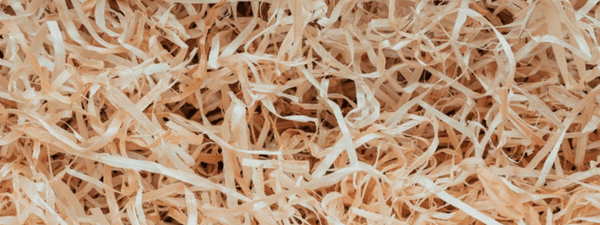
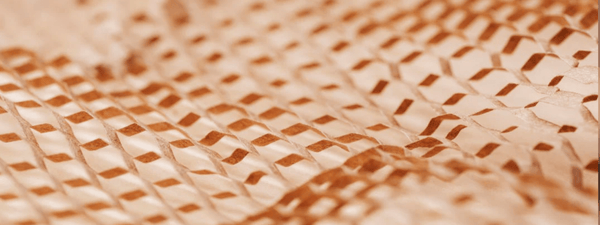
Western Australia, Queensland and the ACT have banned loose-fill foam packaging, and Western Australia has also banned moulded or cut expanded plastic packaging. If you protect products with foam, check the rules for every state you ship to. Paper-based void fill and honeycomb paper are common alternatives.
Bags
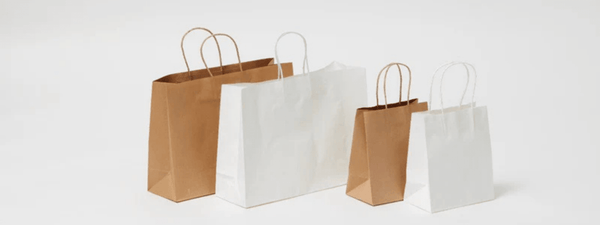
Lightweight plastic shopping bags are banned in most places, and several states have extended bans to thicker bags. If you hand customers a bag at a market or shop counter, a paper bag avoids the question.
Exemptions
Some bans have exemptions. For example, Western Australia says its ban doesn't cover items intended for business-to-business transport or supply outside WA. Exemptions differ between states, so check the detail rather than assuming one state's rules apply elsewhere.
What it means for you
The same question, answered for where your business is today.
Choose your stage at the top of the page to open the advice for you.
Start-up · under 100 units
If you sell at markets or in a shop, check your state's bag rules first. For online orders, choose cardboard boxes and paper filling, which avoids most of the issues.
Bookmark the official page for your state and check it before you reorder bags or filler.
Growing · 100 to 2,499 units
Selling interstate means following the rules where your customer is. Review your bags, filler and food packaging against each state you ship to.
Try this: list every plastic item in your packing area and check it against each state's official list.
Enterprise · 2,500 units and more
Assign someone to monitor state and national changes, and build plastic bans into your packaging specifications and supplier briefs. Run down banned items well before start dates.
Western Australia's guidance notes that running down excess stock isn't an accepted reason for an exemption.
Common mistakes
- 1Assuming one national rule. Each state has its own list and dates. Check every state you sell into.
- 2Forgetting packaging. Bans aren't just about straws and cutlery. Foam packaging and bags are covered in several states.
- 3Relying on "degradable" plastic. Some states, including Western Australia and South Australia, have banned degradable or oxo-degradable plastics.
- 4Ordering stock before a ban. Plan ahead so you're not left with packaging you can no longer use.
Plastic ban questions
Is there a national single-use plastic ban in Australia?
Are foam packing peanuts banned?
Are plastic shopping bags banned?
Do plastic bans apply to online businesses?
Is this legal advice?
Keep reading
Plastic-free alternatives
Looking for plastic-free packaging?
Tell us what you sell and where you ship. Our Melbourne team will suggest paper and cardboard options that suit your products, usually within 1 business day.