
For small businesses, packaging is more than just putting products into a box. It plays a critical role in protecting orders, reducing shipping damage, improving efficiency and creating a positive customer experience. A well-organised packing process can also help lower fulfilment costs and make your business look more professional.
Whether you are packing five orders a day or managing growing ecommerce volumes, having a reliable packaging checklist helps ensure every order leaves your workspace correctly packed and ready for dispatch. In this guide, we’ll walk through the essential steps for small business packaging, from choosing the right materials to creating scalable workflows that improve shipping performance.
Key Takeaways:
➡ Follow a practical packaging checklist to improve packing accuracy and reduce shipping mistakes.
➡ Learn how to package small business orders using efficient and cost-effective workflows.
➡ Discover ways to reduce shipping damage while improving presentation and customer experience.
Why a Packaging Checklist Matters for Small Businesses
A consistent packing process helps prevent common fulfilment issues such as damaged products, incorrect shipments and unnecessary material waste. Without a clear workflow, packing standards can vary between orders, especially as businesses grow.
A structured approach to small business packaging improves:
- Product protection
- Packing efficiency
- Brand consistency
- Customer satisfaction
- Shipping cost control
It also helps train staff more effectively and reduces operational mistakes during busy periods.
Step 1 – Choose the Right Packaging Materials
The first step is selecting packaging that suits your products and shipping requirements.
Boxes and Mailers
Different products require different packaging formats.
- Use rigid boxes for fragile or heavy products
- Use mailers for lightweight, non-breakable items
- Match box strength to product weight
PackQueen offers a wide range of shipping boxes and packaging formats suitable for growing businesses.
Protective Materials
Protective packaging prevents movement and absorbs impact during transit. Common options include:
- Tissue paper
-
Paper void fill
- Corrugated inserts
- Protective wrap
The goal is to stabilise products without overpacking.
Labels and Inserts
Small additions improve both professionalism and customer experience:
- Shipping labels
- Fragile stickers
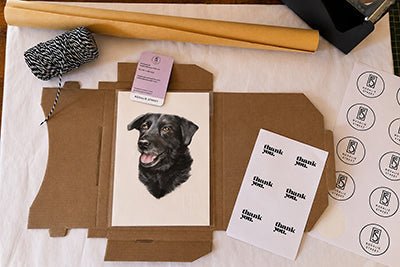
- Thank-you cards
- Care instructions
- Promotional inserts
These details help create a more complete unboxing experience.
Step 2 – Prepare Products for Packing
Before placing products into packaging:
- Inspect products for damage or defects
- Clean surfaces where necessary
- Protect fragile edges or components
- Separate products that could scratch each other
This quality control step prevents avoidable customer complaints and returns.
Step 3 – Follow a Minimum Viable Pack-Out Workflow
A minimum viable pack-out focuses on essential protection and shipping readiness without unnecessary extras.
Minimum Viable Pack-Out Checklist
- Correct box or mailer selected
- Product secured with protective fill
- Carton sealed properly
- Shipping label attached clearly
- Order accuracy checked before dispatch
This workflow is ideal for businesses prioritising speed, efficiency and low-cost fulfilment.
Step 4 – Create a Brand-Ready Pack-Out Experience
As businesses grow, packaging often becomes part of the brand experience. A brand-ready pack-out builds on the basics by adding presentation and consistency.
Brand-Ready Packaging Checklist
- Branded tissue paper or stickers
- Coordinated inserts or thank-you cards
- Consistent folding and presentation
- Neat internal arrangement
- Clean, damage-free packaging materials
If you are building a more polished fulfilment system, PackQueen’s custom packaging solutions can help businesses scale their packaging professionally.
H2: Step 5 – Seal Packages Properly
Improper sealing is one of the most common causes of shipping damage.
Best Practices for Sealing
- Use high-quality packing tape
- Reinforce heavier cartons with extra tape
- Apply tape evenly across seams
- Avoid overfilling cartons, which can strain closures
For heavier shipments, use an H-pattern taping method across top and bottom flaps for added strength.
Step 6 – Label Clearly for Dispatch
Correct labelling helps avoid delivery delays and handling mistakes.
Dispatch Checklist
- Shipping label printed clearly
- Address details verified
- Barcode unobstructed
- Fragile or handling labels added where needed
- Return details included if applicable
Position labels on flat surfaces and avoid placing tape over barcodes where possible.
Step 7 – Reduce Damage and Shipping Costs
Smart packaging decisions can significantly reduce fulfilment expenses.
Right-Size Packaging
Oversized cartons increase shipping costs and require excess filler. Choosing the correct dimensions helps lower dimensional weight charges and reduces waste.
If you need help selecting carton dimensions, read our guide on how to measure the 3 dimensions of a box.
Avoid Overpacking
Using too much filler or oversized boxes increases material costs without improving protection. Train packing staff to use only what is necessary to stabilise products.
Standardise Packaging Materials
Using a core set of box sizes and protective materials simplifies fulfilment workflows and reduces operational complexity.
You can browse PackQueen’s range of packing boxes to find right-fit packaging solutions for ecommerce fulfilment.
Step 8 – Perform Final Quality Checks
Before dispatch:
- Confirm correct products are packed
- Check packaging condition
- Verify labels and shipping details
- Ensure seals are secure
- Confirm inserts or promotional materials are included
A final quality check helps catch errors before they become customer issues.
Learning how to package small business orders effectively helps reduce shipping damage, improve efficiency and create a better customer experience. By following a structured packaging checklist, businesses can build scalable fulfilment systems that support long-term growth.
Whether you need shipping boxes, void fill, labels or custom packaging solutions, PackQueen offers practical packaging essentials designed to help small businesses pack and ship orders like professionals.
FAQs on Small Business Packaging
What is a packaging checklist for small businesses?
A packaging checklist is a step-by-step process that helps businesses prepare, protect, seal and dispatch orders consistently and efficiently.
How do I package small business orders properly?
Choose the correct packaging materials, secure products with protective fill, seal cartons properly and verify shipping labels before dispatch.
What packaging materials do small businesses need?
Most businesses require boxes or mailers, protective void fill, packing tape, labels and optional inserts such as thank-you cards or branding materials.
How can small businesses reduce shipping damage?
Use right-sized boxes, match carton strength to product weight and minimise internal movement with appropriate protective materials.
How can packaging improve customer experience?
Clean, consistent packaging and thoughtful presentation create a more professional unboxing experience and help strengthen brand perception.