


Guide / Box & packaging styles / Chapter 2.3
Self-seal (peel and seal) postage boxes.
Peel off a strip, press it shut, done. Here's how self-seal boxes work, when they save you time, and what to check before you switch.
The short answer
A self-seal box, also called a peel and seal box, has a strip of adhesive on the closing flap, covered by a release liner. You pack the product, peel off the liner and press the flap down. There's no tape gun and no extra tape to buy, and the box opens cleanly at the customer's end. Self-seal boxes suit flat and light products sent in high numbers, like books, prints, clothing and documents. We stock peel and seal boxes in A4 and A5 sizes, slim heights, book wraps and multi-crease styles.
How a self-seal box works
Most self-seal boxes are one-piece die-cut boxes, folded from a single sheet of corrugated board. The closing flap carries a strip of pressure-sensitive adhesive with a paper or film liner on top. When the box is packed, you peel the liner away and press the flap firmly along the strip.
Some self-seal box designs also have a tear strip, a perforated pull tab that lets the customer open the box without a knife, and some have a second adhesive strip so the customer can reseal the box to send a return. These features vary by box, so check the details listed on each product.
What self-seal boxes are good for
- Speed. Packing is fold, fill, peel and press. That adds up when you're sending dozens or hundreds of orders a day.
- A clean finish. No crooked tape or tape ends, so every parcel looks the same.
- Flat and light products. Books, prints, calendars, clothing, documents and other flat items fit well in slim self-seal mailers.
- Fewer things to buy. You don't need tape or a dispenser at the packing bench, although many businesses keep some for larger boxes.
Self-seal box styles
Our range covers the most common shapes. Check the internal size and board listed on each product.
| Style | What it is | Good for |
|---|---|---|
| Slim self-seal mailer | A low one-piece box with an adhesive flap, in heights from a few millimetres | Prints, documents, flat accessories |
| Book wrap mailer | A flat sheet that wraps around the item and seals | Books, diaries, calendars |
| Multi-crease self-seal mailer | Extra fold lines so you can set the height | Products in several heights |
| Self-sealing tuck front mailer | A mailer with a tuck front and adhesive closure | Small products and gifts |
Self-seal or standard mailer?
A standard die-cut mailer box locks closed with tabs and can be opened and closed again easily. It's better when the unboxing matters, when customers might reuse the box, or when you want to add a branded sticker as the seal.
A self-seal box is better when packing speed and a neat, consistent closure matter more than presentation. An adhesive seal isn't the same as a tamper-evident seal, so for higher-value items consider a security tape or label as well.
What it means for you
The same question, answered for where your business is today.
Choose your stage at the top of the page to open the advice for you.
Start-up · under 100 units
If you send flat items like prints, books or clothing, a self-seal mailer can make packing quicker and neater from day one. Start with one or two sizes.
Pack a sample with your real product and check the flap closes without strain.
Growing · 100 to 2,499 units
As order numbers grow, packing time becomes a real cost. Time how long a standard box plus tape takes against a self-seal box.
Try this: if most orders are flat, move those to self-seal and keep standard mailers for bulkier orders.
Enterprise · 2,500 units and more
At volume, self-seal boxes can reduce tape use and keep every parcel consistent across packers. Specify the size, board and closure, and check how the adhesive performs in your storage conditions.
Store self-seal boxes flat, in a cool, dry place, and use older stock first.
Common mistakes
- 1Overfilling. If the flap has to stretch, the adhesive can lift. Choose a size or height that closes easily.
- 2Not pressing firmly. Run your hand along the whole strip. A quick press at one end isn't enough.
- 3Storing in heat. Very hot storage can affect adhesive. Keep boxes in a cool, dry place.
- 4Assuming every self-seal box suits every load. Self-seal mailers are designed for flat and light products. Check the box's suitability for your item and test it with the packed load before you switch.
Self-seal box questions
What is a peel and seal box?
Do self-seal boxes need tape?
Can customers reseal the box for returns?
What are self-seal boxes best for?
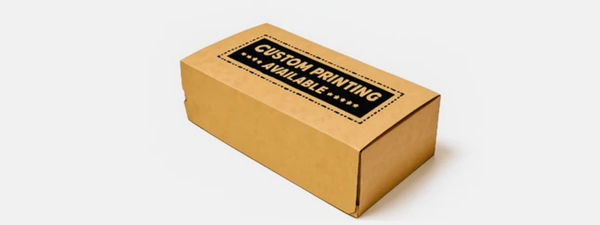
Can I get self-seal boxes printed?
Keep reading
Shop self-seal boxes

Thinking about switching to self-seal?
Tell us what you send and how many orders you pack a day. Our Melbourne team will recommend the right self-seal size, usually within 1 business day.