


Guide / Stage guides / Chapter 9.4
Managing packaging for many products.
As your range grows, packaging can multiply into dozens of boxes, labels and inserts. Here's how to keep it simple, consistent and affordable across many products.
The short answer
Group your products by size and shape, then cover each group with as few box sizes as possible. Use one consistent design system across your range, so every product looks like it belongs to the same brand, and use labels or stickers to tell products apart rather than printing a different box for each one. Record every product's packaging in one list, so reorders are quick and nothing runs out.
Start with a packaging list
Before you change anything, write down every product and the packaging it uses: box, size, board, print, inserts, labels and how many you use a month. Include the multi-item combinations you regularly pack together, such as gift sets or two-product orders, not just single products. Most businesses find more sizes than they need, and some products sharing a box without realising it.
Five ways to simplify
1. Group products and combinations by size
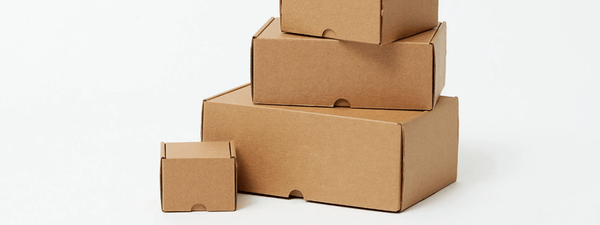
Measure every product, and the combinations you often pack together, and sort them into groups within a small range of each other. One well-chosen box size, with a little filler or an insert, can often cover a whole group.
2. Use adjustable boxes
Multi-crease boxes have extra fold lines, so one box can be set to several heights. They're useful for ranges with similar footprints but different depths.
3. Brand the box, label the product
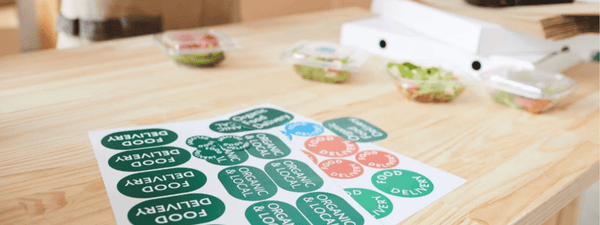
Print your brand on a shared box and use a printed label or sticker to show the product, flavour or scent. Labels start from 1 roll and are easy to change. Any label that carries product information still needs to meet the rules that apply to your product, and some retailers require barcodes or batch codes.
4. Keep one design system
Use the same logo position, colours and layout across every box, so the range looks consistent even when box sizes differ.
5. Match the print method to the volume
High-volume boxes can move to a higher-volume print method from 250 units for a lower cost per unit, where the box suits it: screen printing for die-cut boxes, flexo for shipping cartons and offset for paperboard. Low-volume boxes can stay digitally printed from 25 units, or plain with a label.
What it means for you
The same question, answered for where your business is today.
Choose your stage at the top of the page to open the advice for you.
Start-up · under 100 units
Keep your range in as few box sizes as possible from the start. Brand with stickers and labels, which are easy to change as products come and go.
Note the box size for each product in a simple spreadsheet.
Growing · 100 to 2,499 units
Review your packaging list and combine sizes where you can. Print your highest-volume boxes and label the rest.
Try this: sort your products by monthly sales and look at the packaging for the top five first.
Enterprise · 2,500 units and more
Manage packaging as a range, with a specification for each item, a design system and reorder points based on usage and lead times.
Review the range each year and retire sizes that no longer earn their place.
Common mistakes
- 1A new box for every new product. Each new size adds stock, storage and reorders. Check whether an existing box fits first.
- 2Inconsistent design. Different logos, colours and layouts make a range look unrelated.
- 3Running out of slow sellers. Low-volume packaging is easy to forget. Track it in the same list.
- 4Printing product details on boxes that change. Use labels for details that change often.
Multiple product questions
How many box sizes should I have?
Can one box fit several products?
How do I tell products apart in the same box?
Should every product have its own printed box?
How do I avoid running out?

From our customers
bip bop booPaper bags in several sizes for market sales and small jewellery boxes for delicate online orders cover a range from brooches to lampshades.
Read their story →Keep reading
Packaging for a range

Too many boxes in your range?
Send us your product list with sizes and monthly quantities. Our Melbourne team will suggest where you could combine sizes, usually within 1 business day.